The almost final version, overview, and tips for sailing
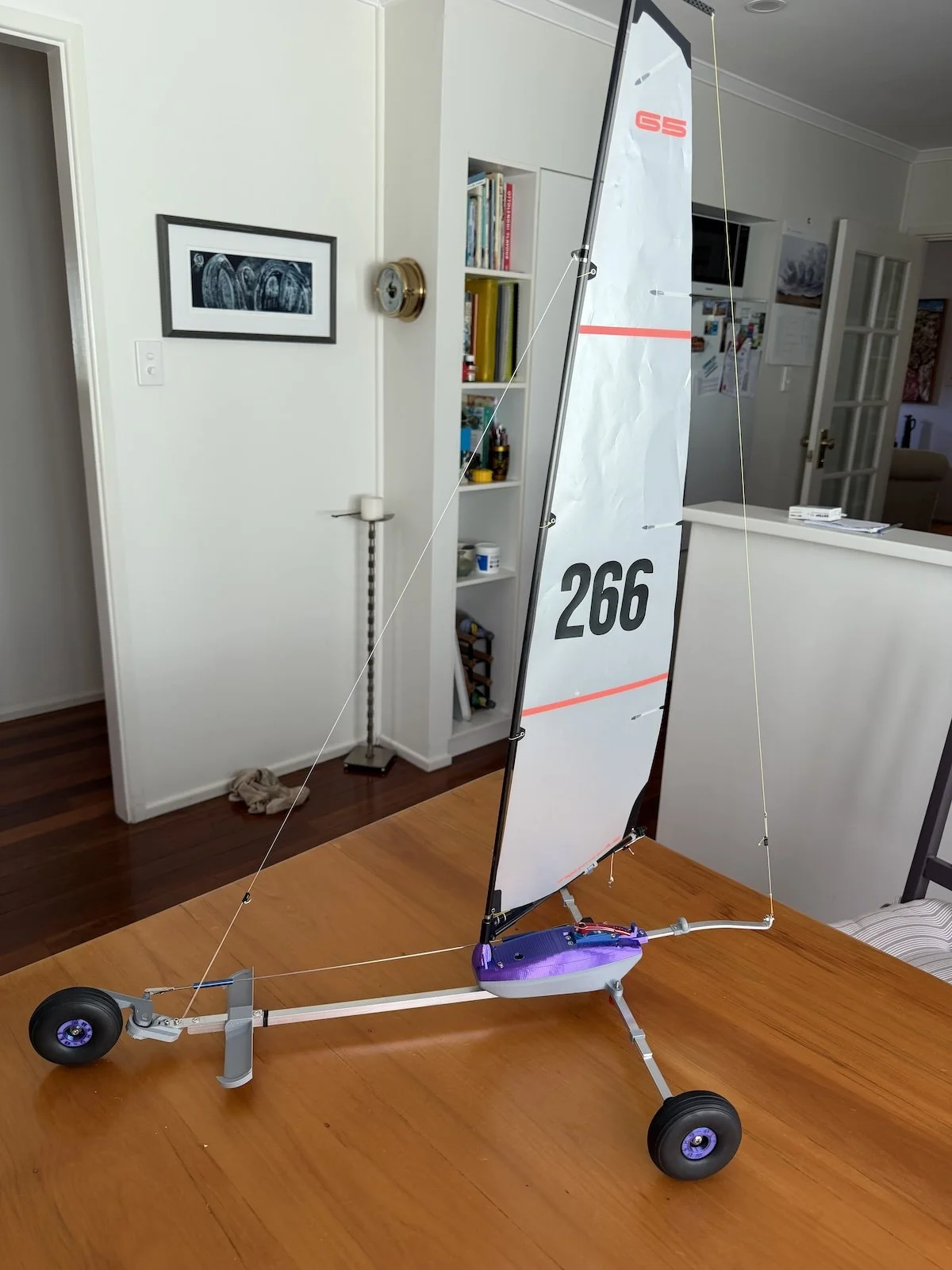
We have reached an almost final tweak on the MUSHU-OLY, RC land yacht. There is always room for improvement though.
We look forward to seeing any other designs or improvements. Build regulations for this class
If you come up with a new design, please send us a picture. The more designs the merrier!
The design shown is available for sale as a fully assemble yacht but only pickup from Brisbane Australia. All the stl files and instructions will be available one day when I get time. Sail rig can also be made to keep costs down. More about that option soon.
We will release all 3D files sometime in the future. The original MUSHU files can be found on INSTRUCTABLES
The yacht electrical components
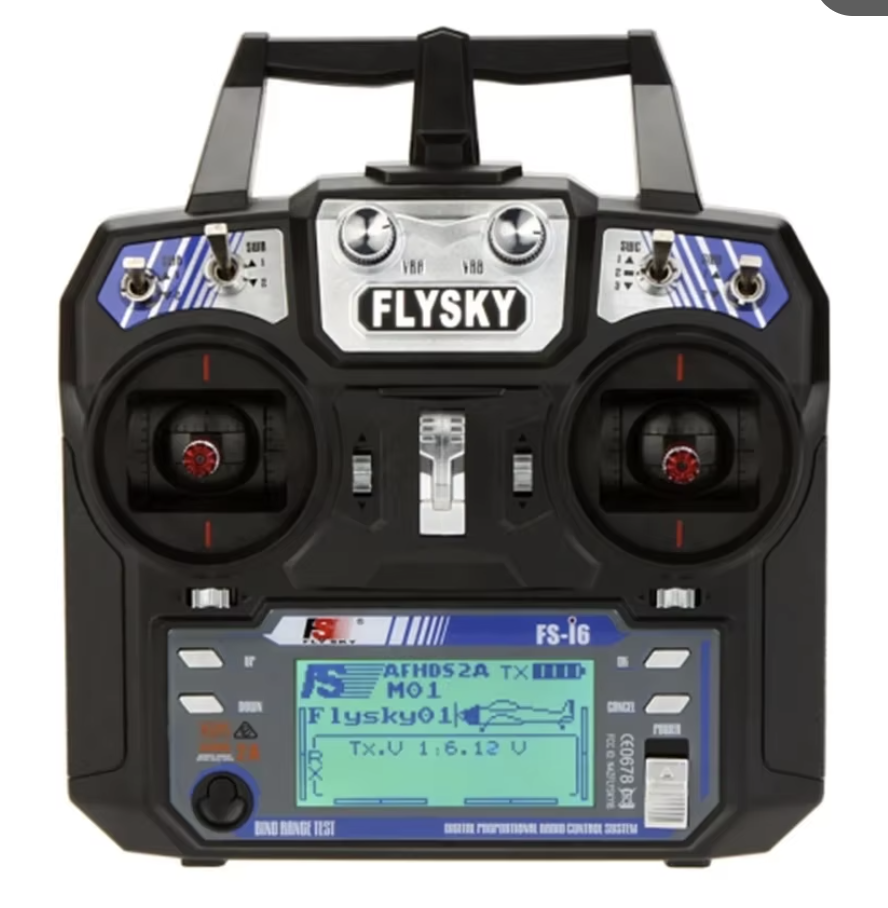
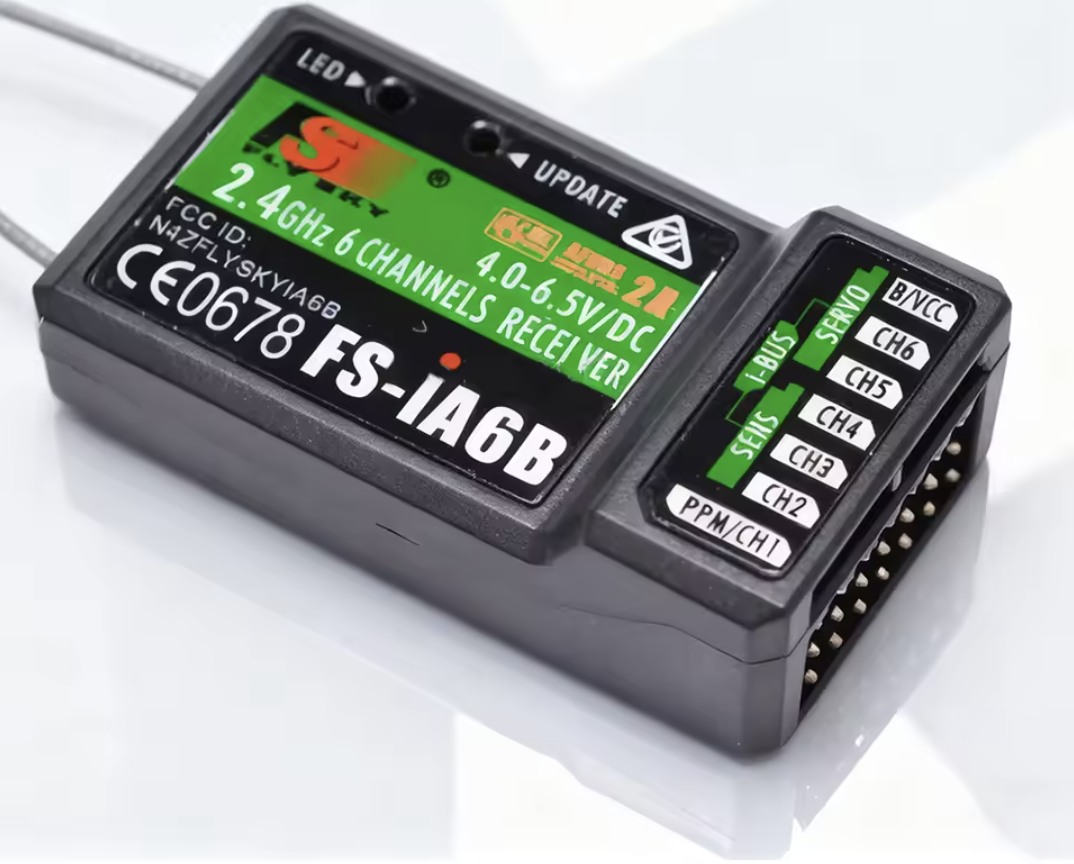
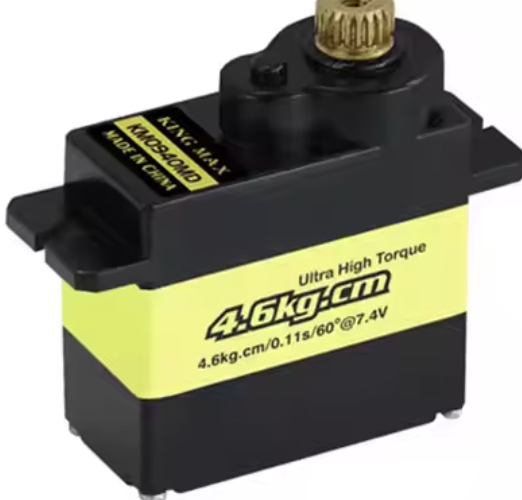
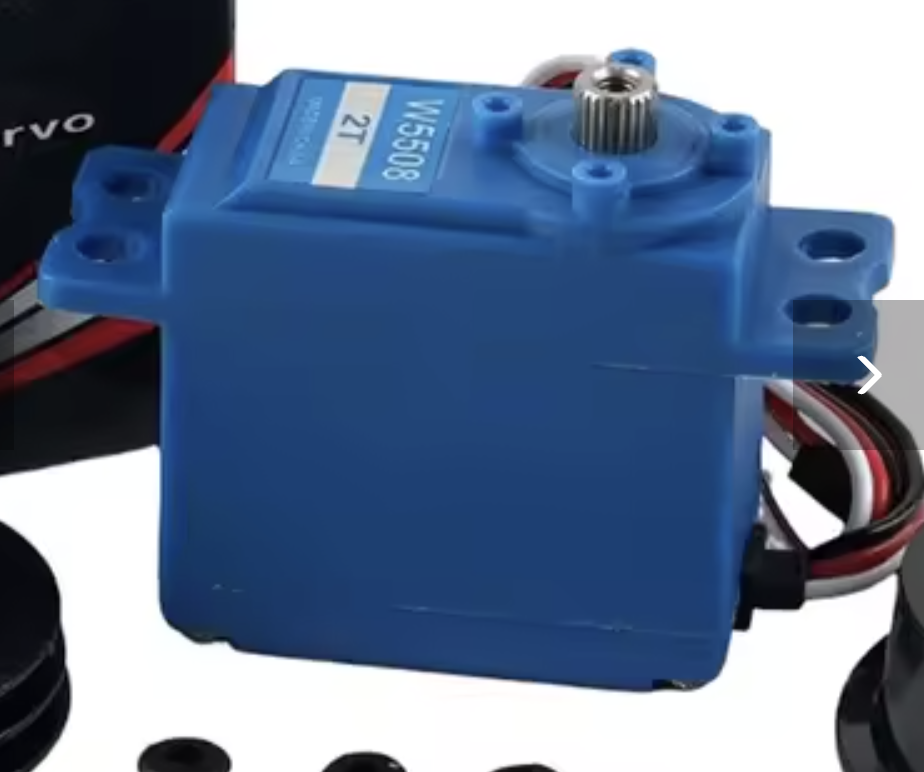
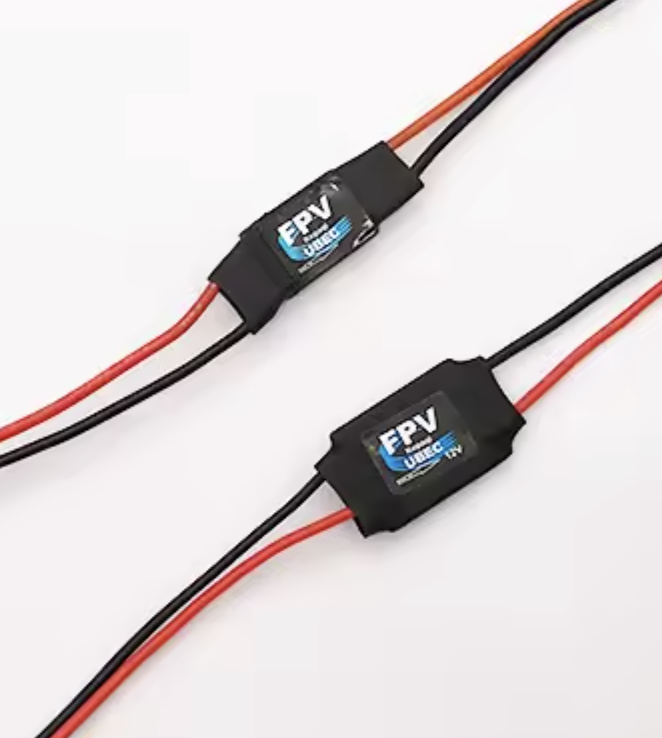
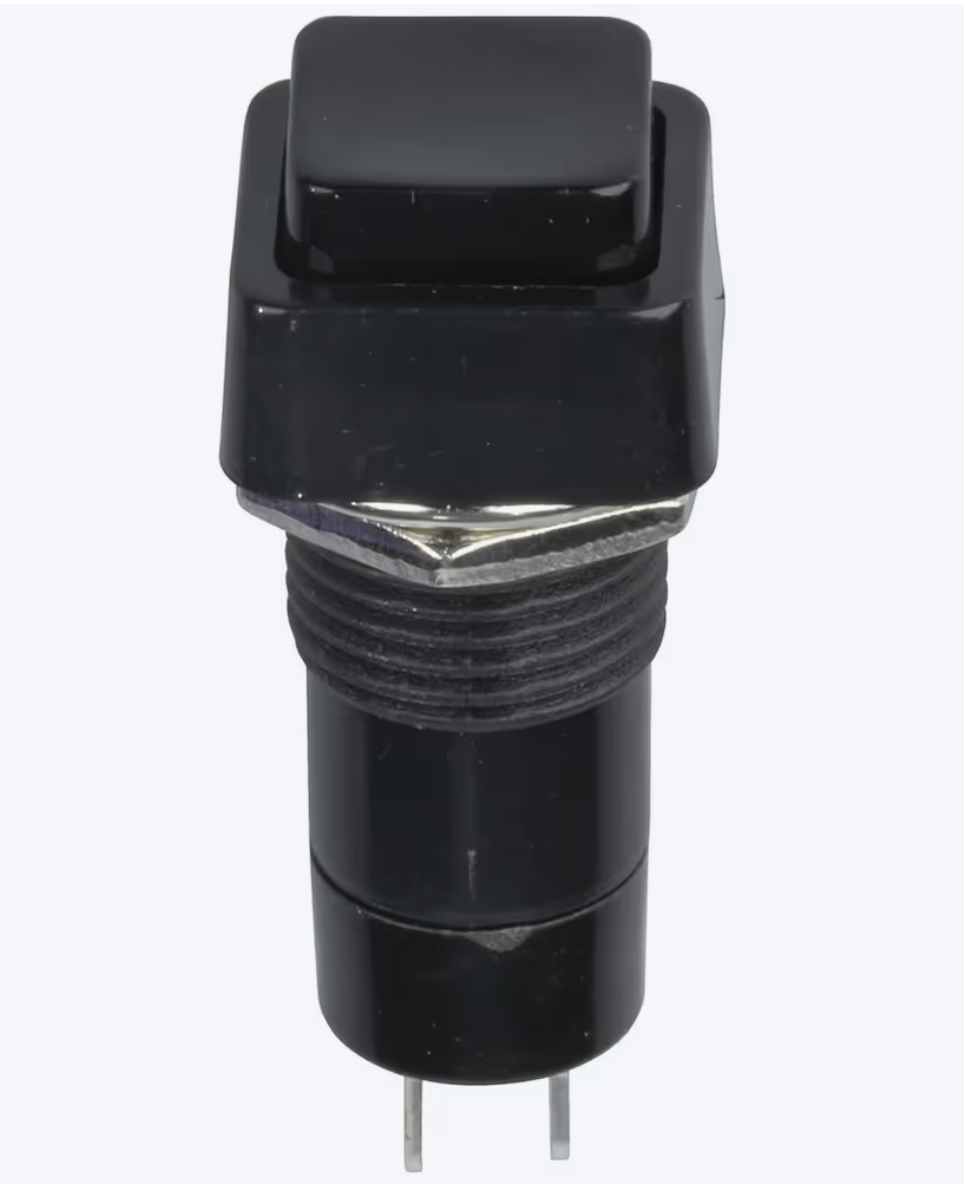
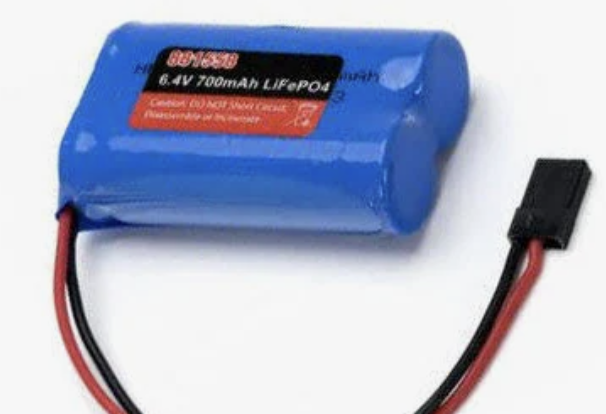
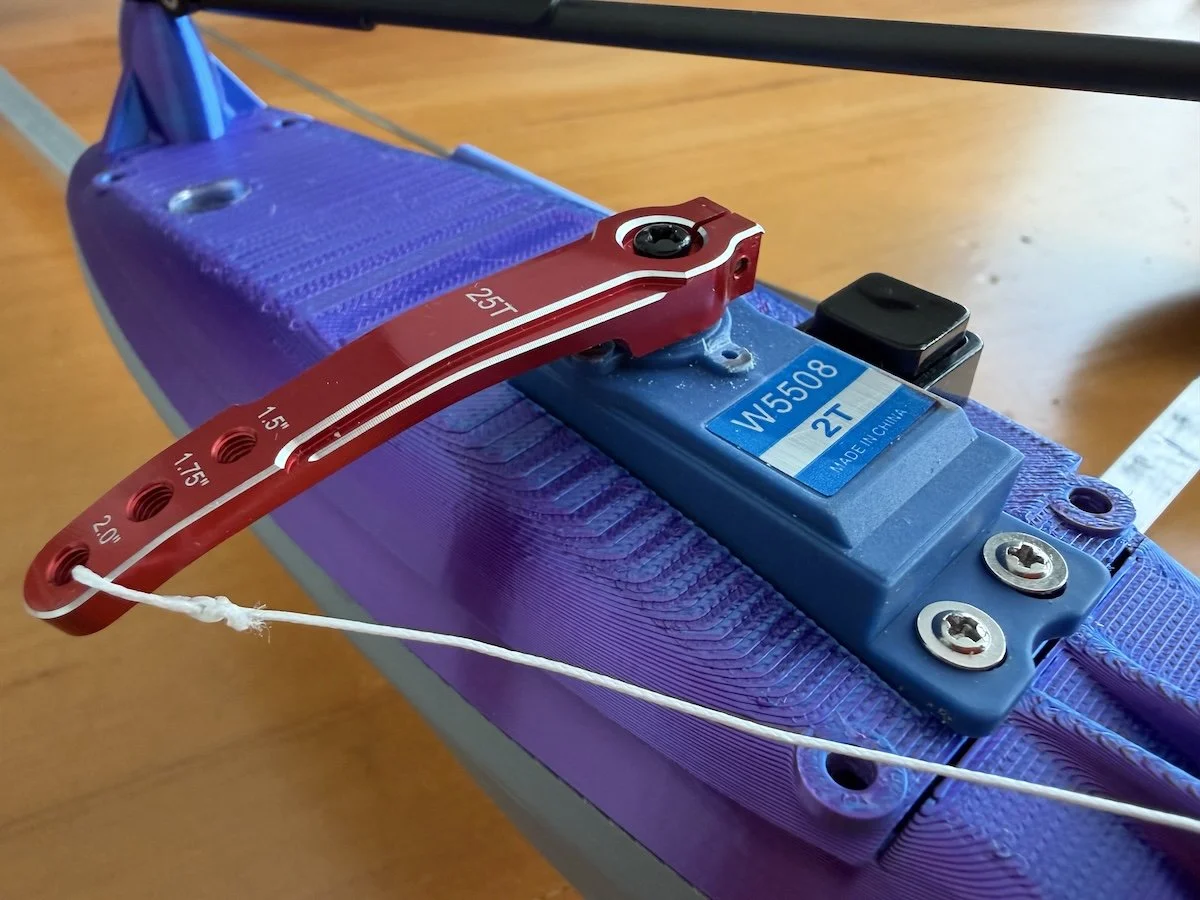
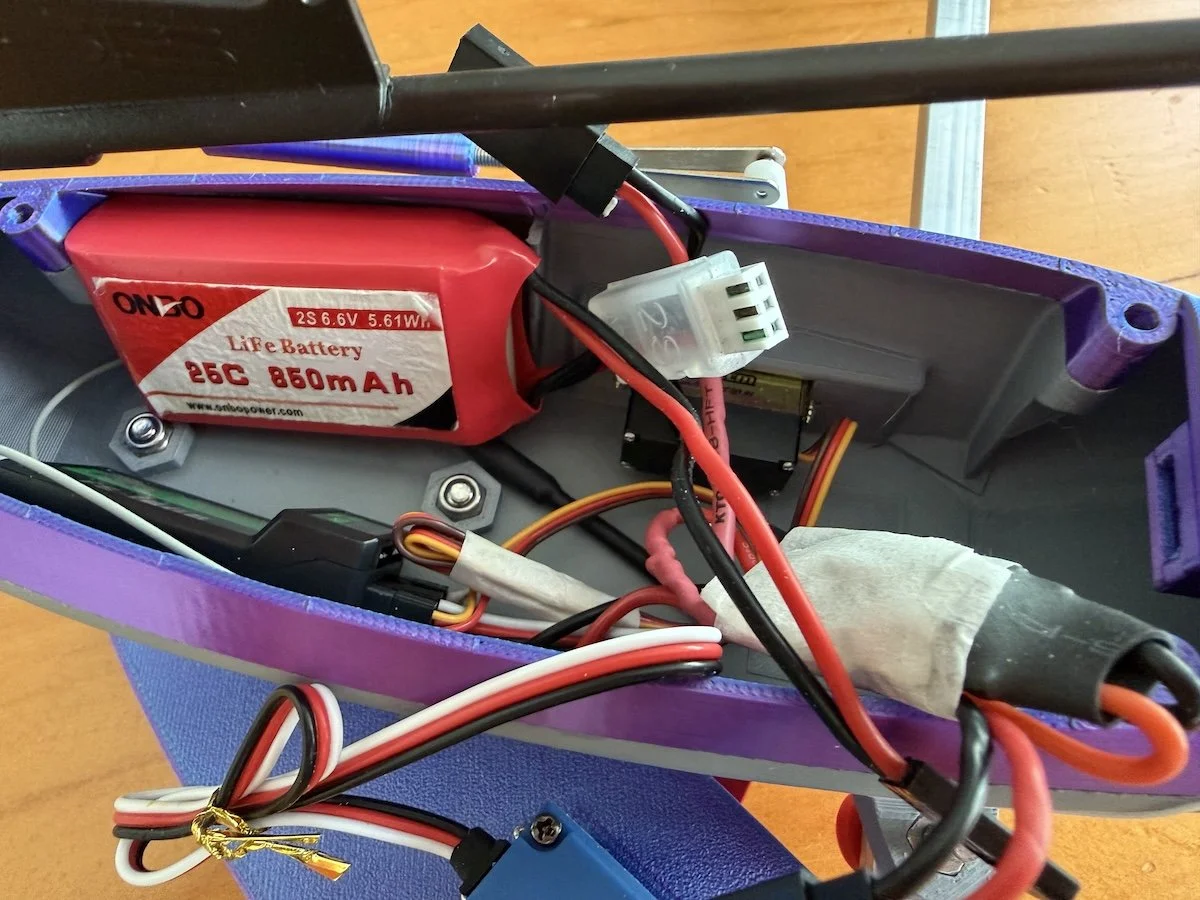
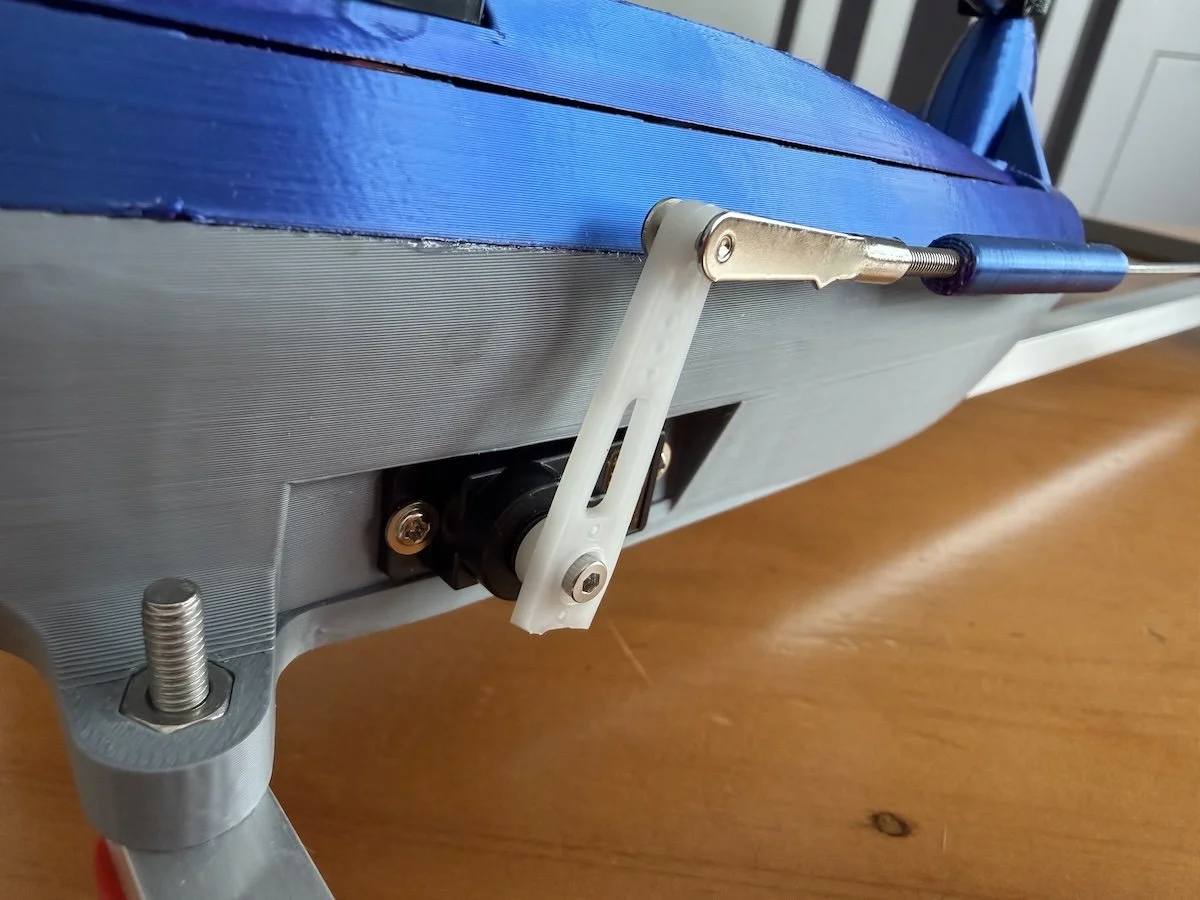
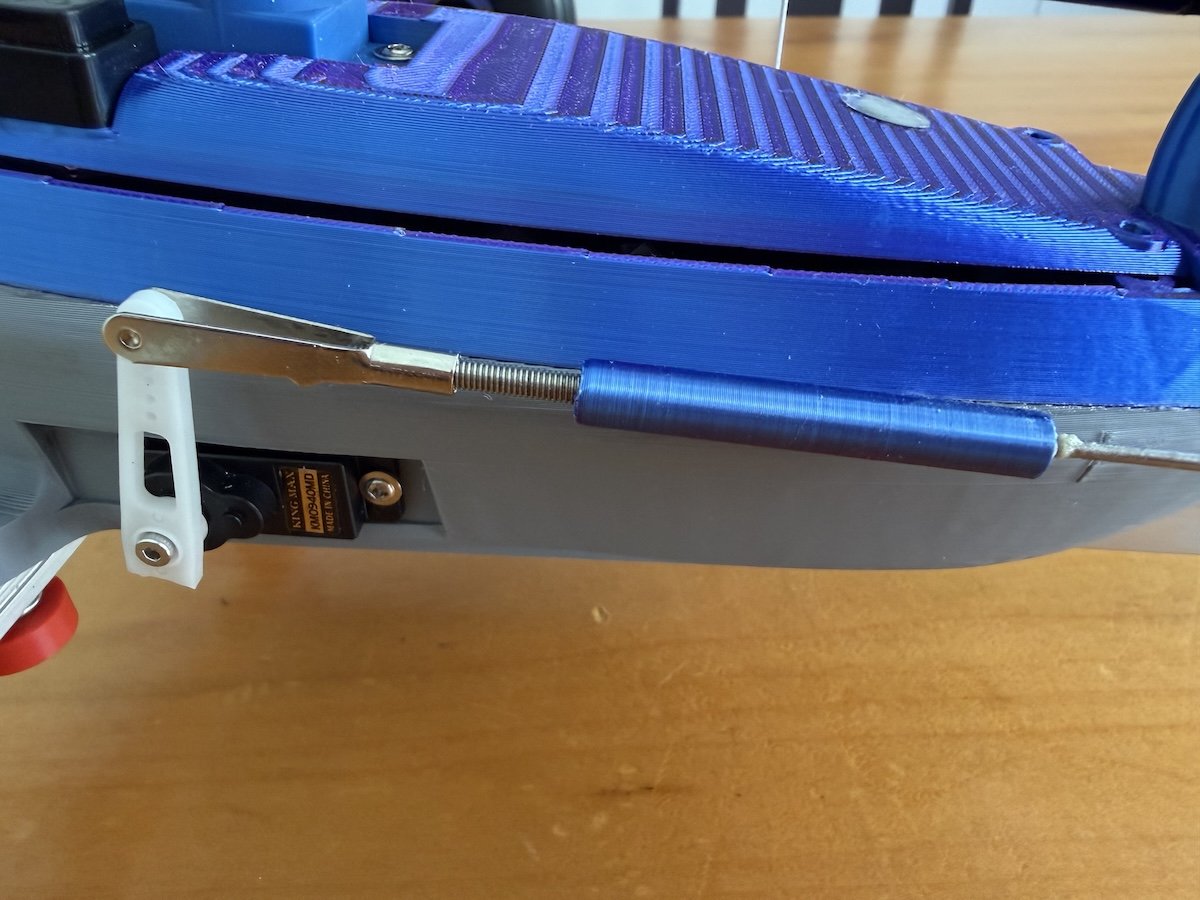
The electrical components now consist of a battery, switch, 5V reducer and the receiver. Steering Servo and mainsail servo. We use Flysky transmitters and receivers for these boats.
The servos and reducer were from Ali Express and the switch from Jaycar. The Flyskys were purchase via a private source.
The yacht 3D components
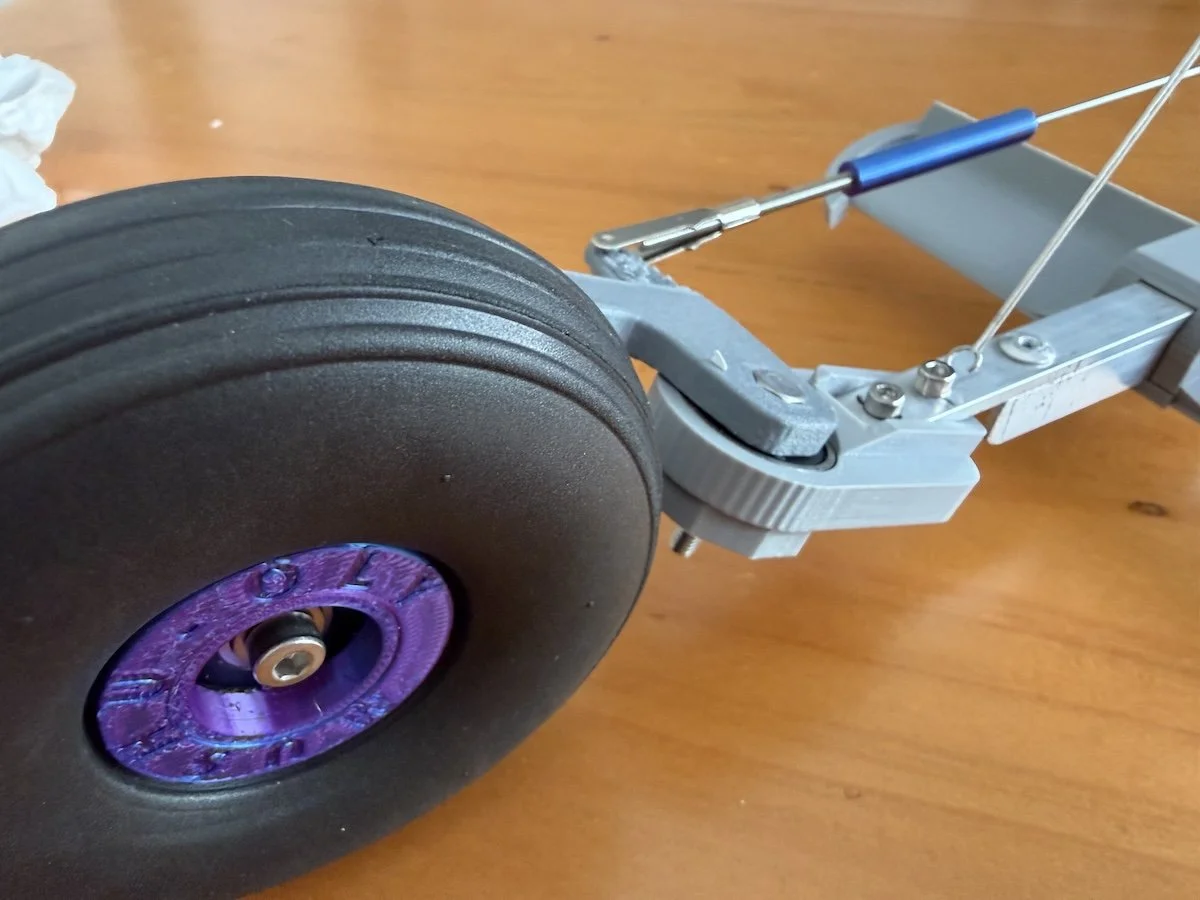
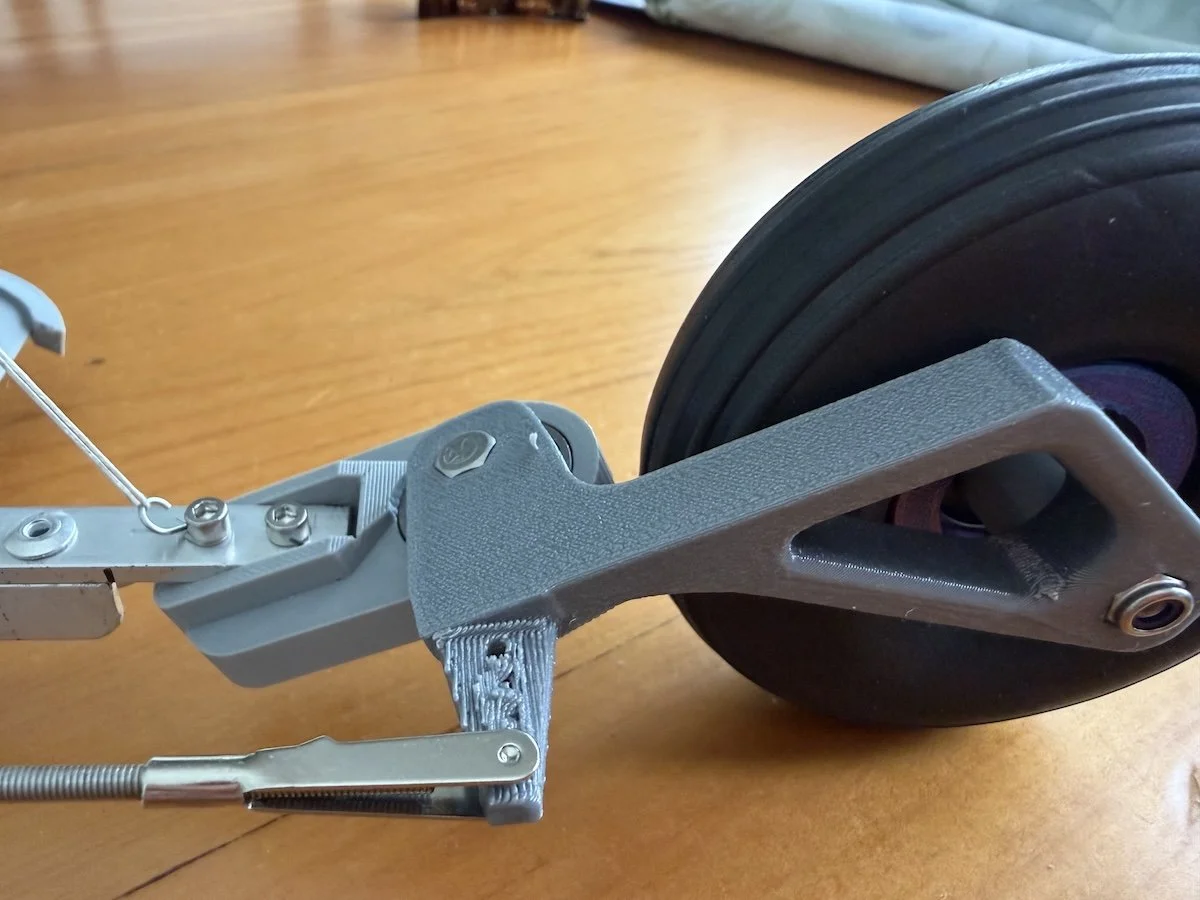
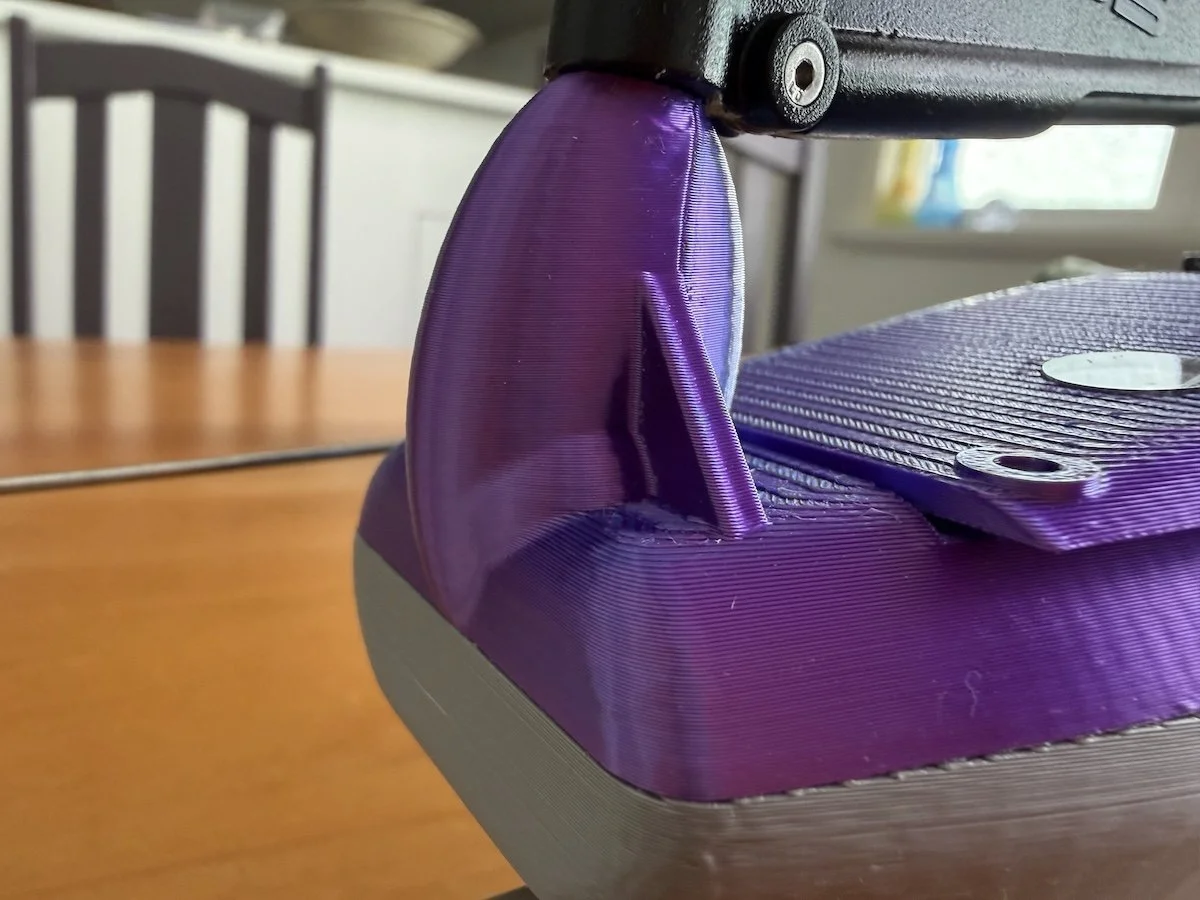
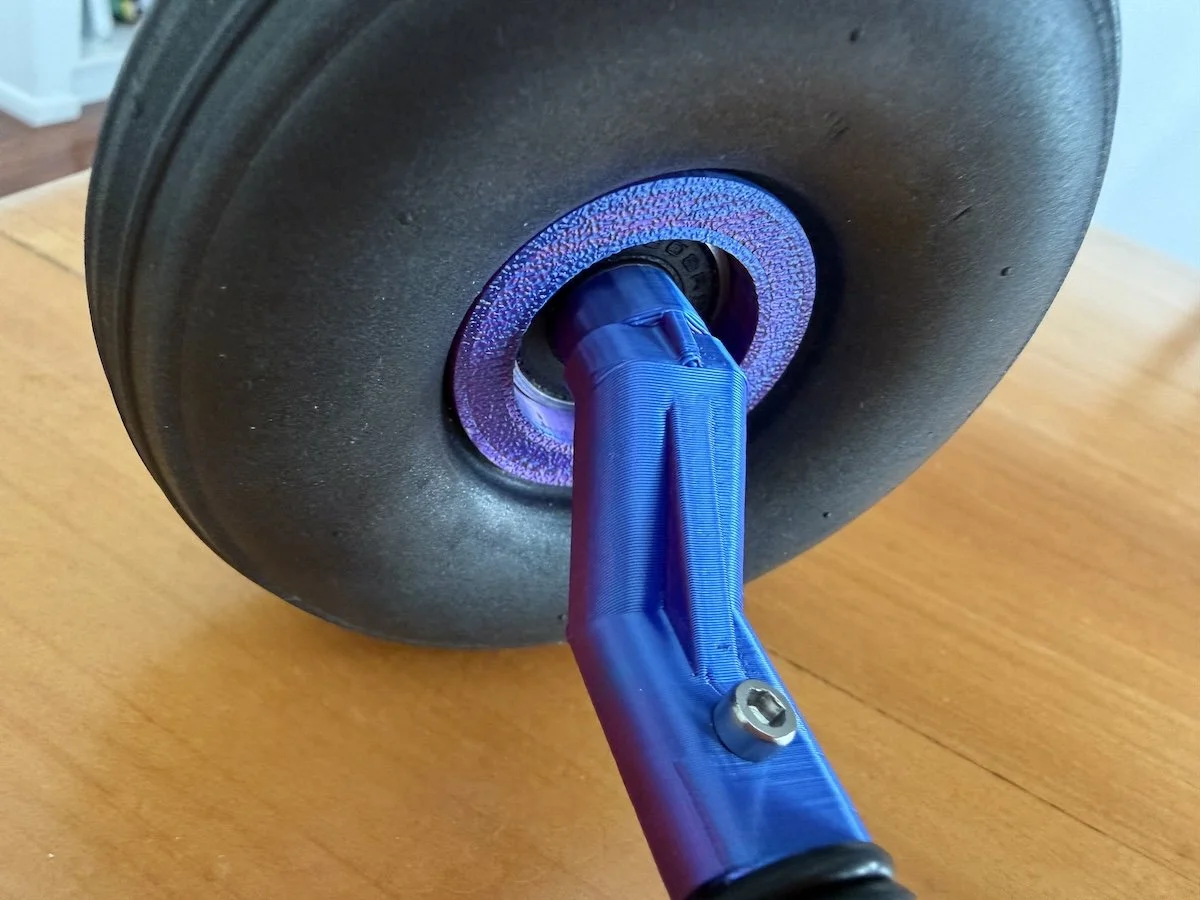
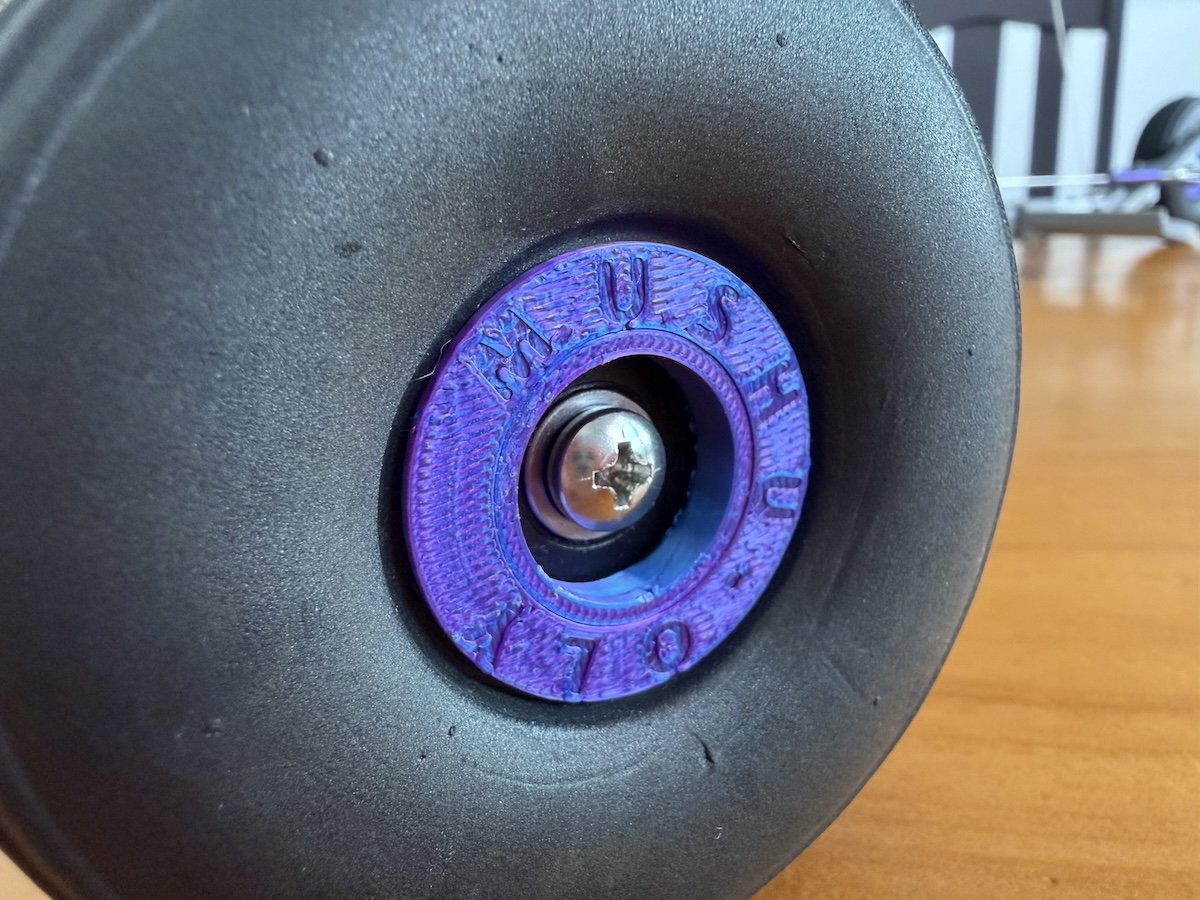
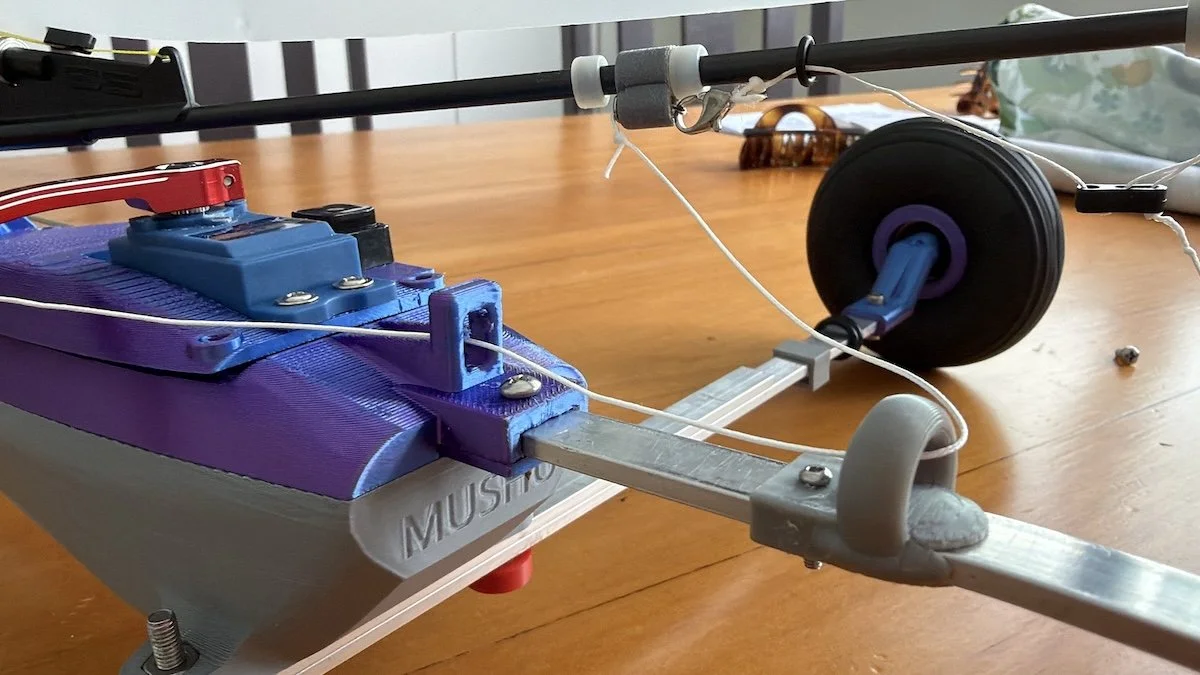
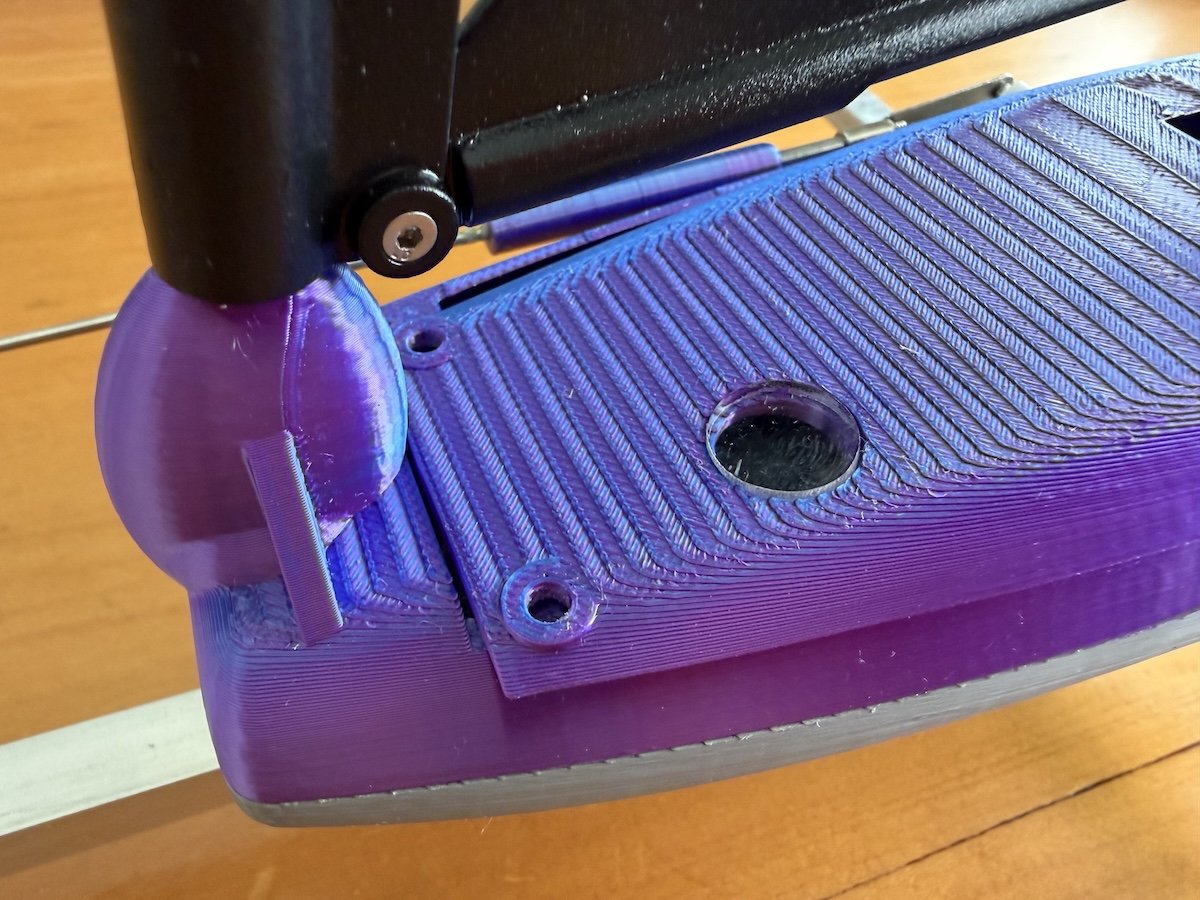
All components apart from the hull/capsule are now printed in PTEG. Probably doesn’t make a lot of difference, but it is a little stronger than PLA…. still breaks when you hit a netball post though.
There have been incidents were 2 boats hit each other at over 25kmh so it’s hardly surprising there’s been some damage.
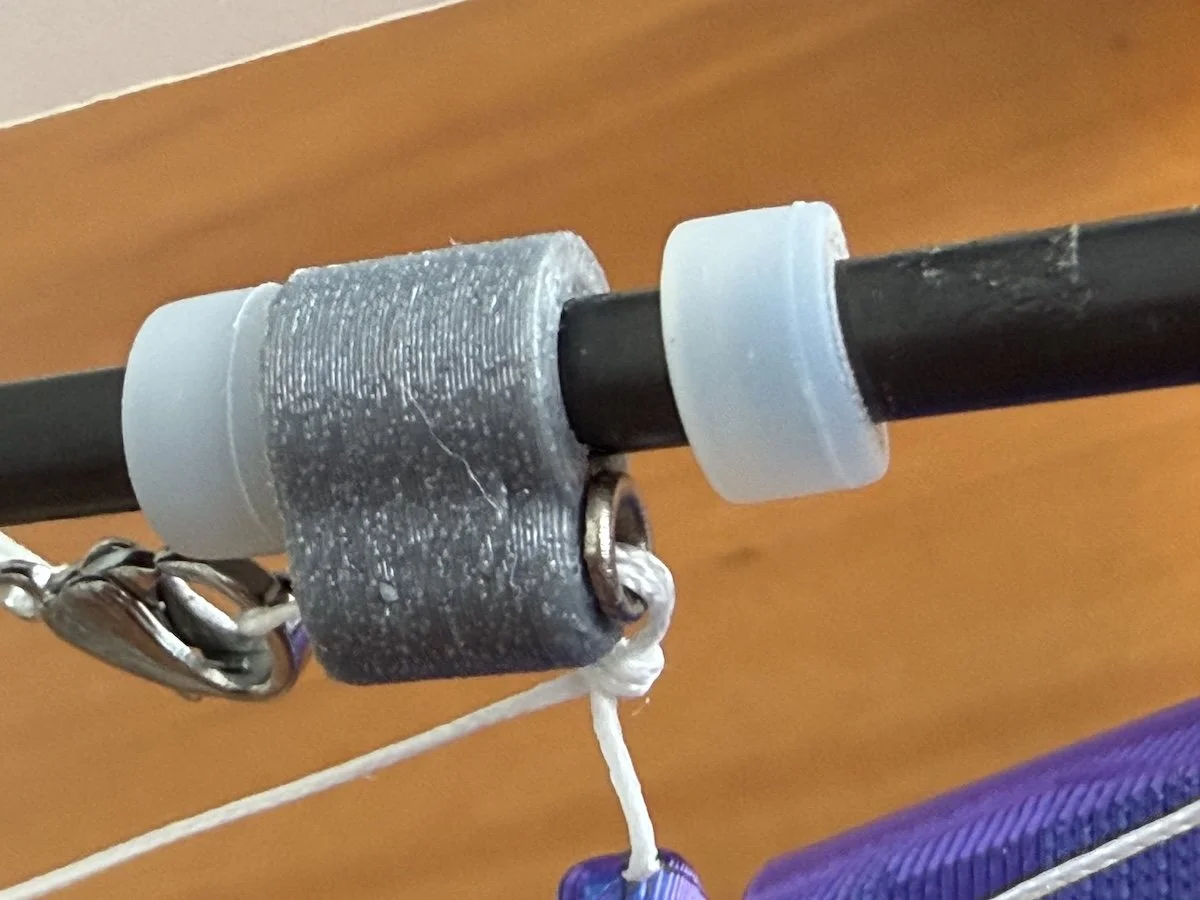
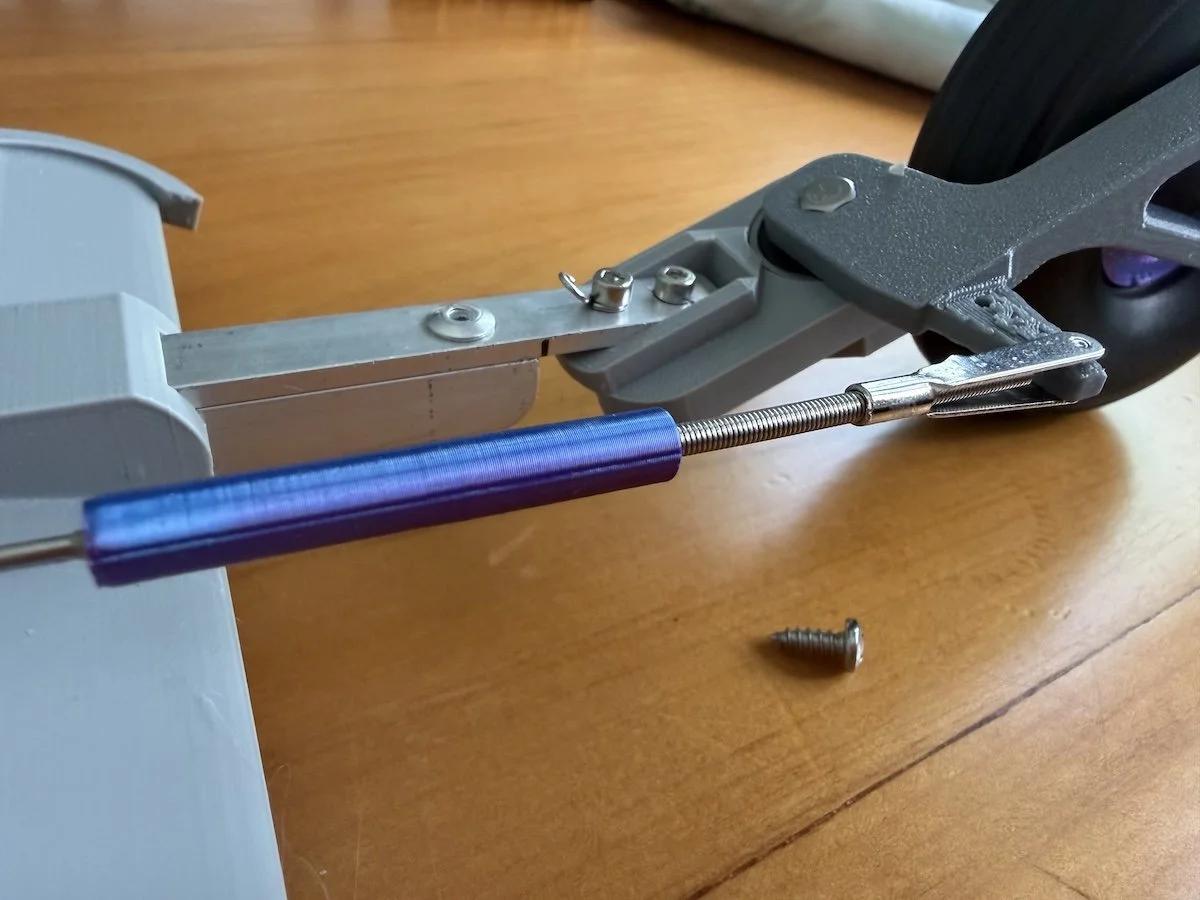
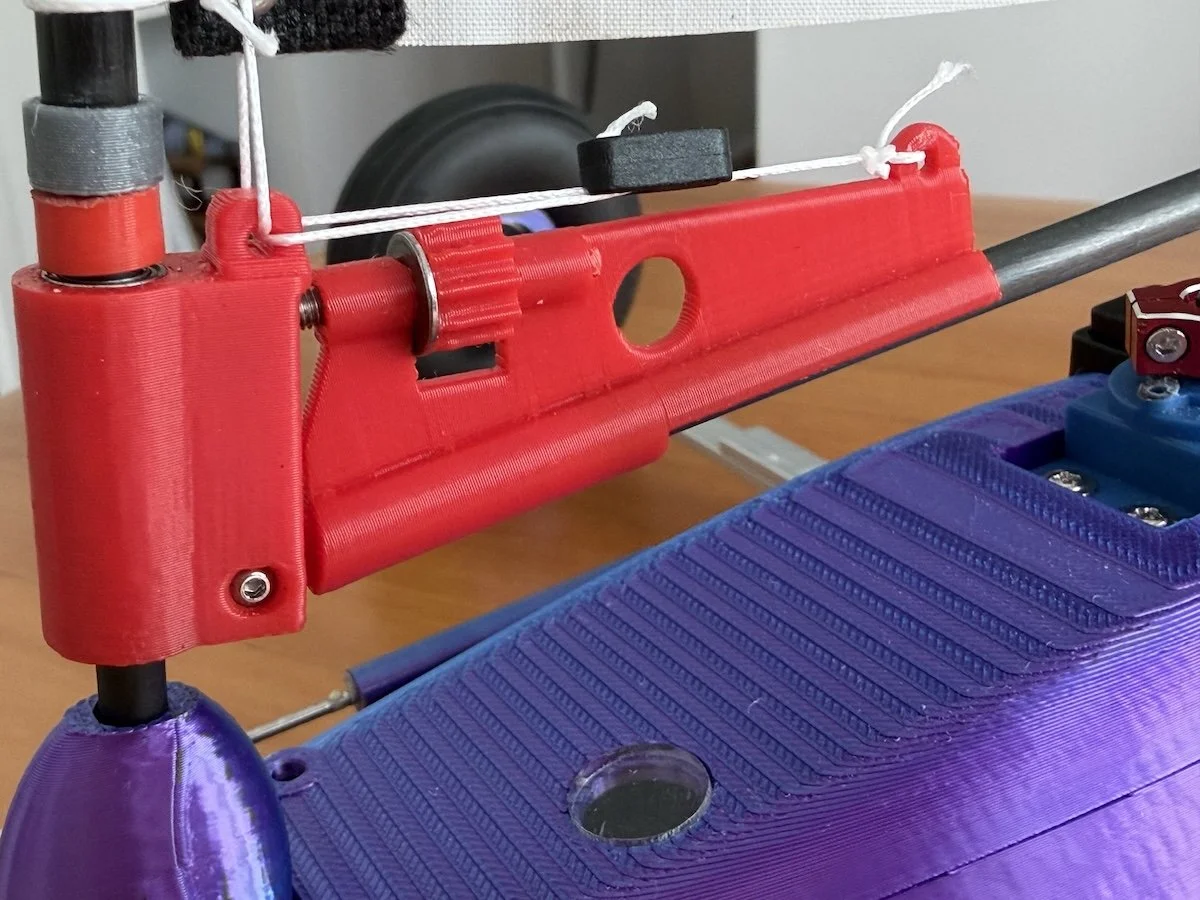
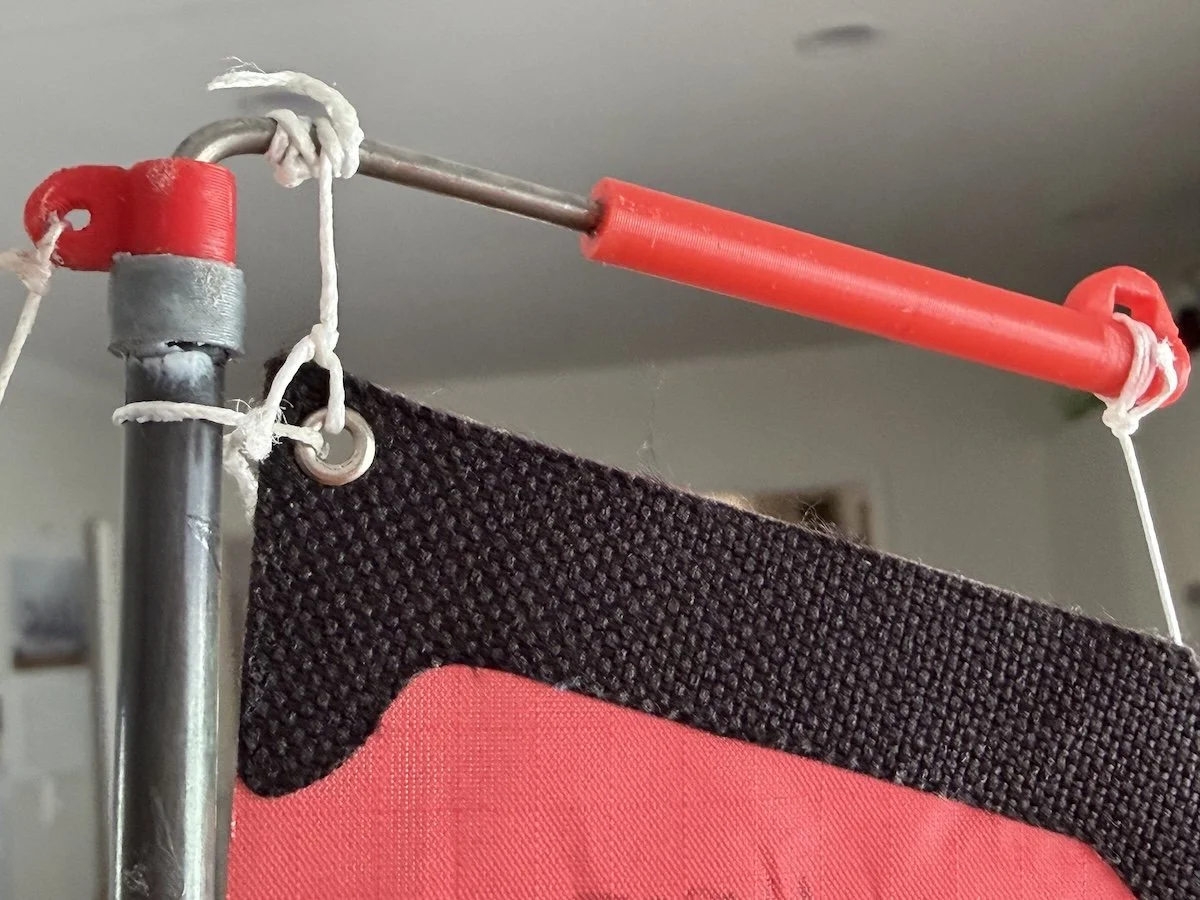
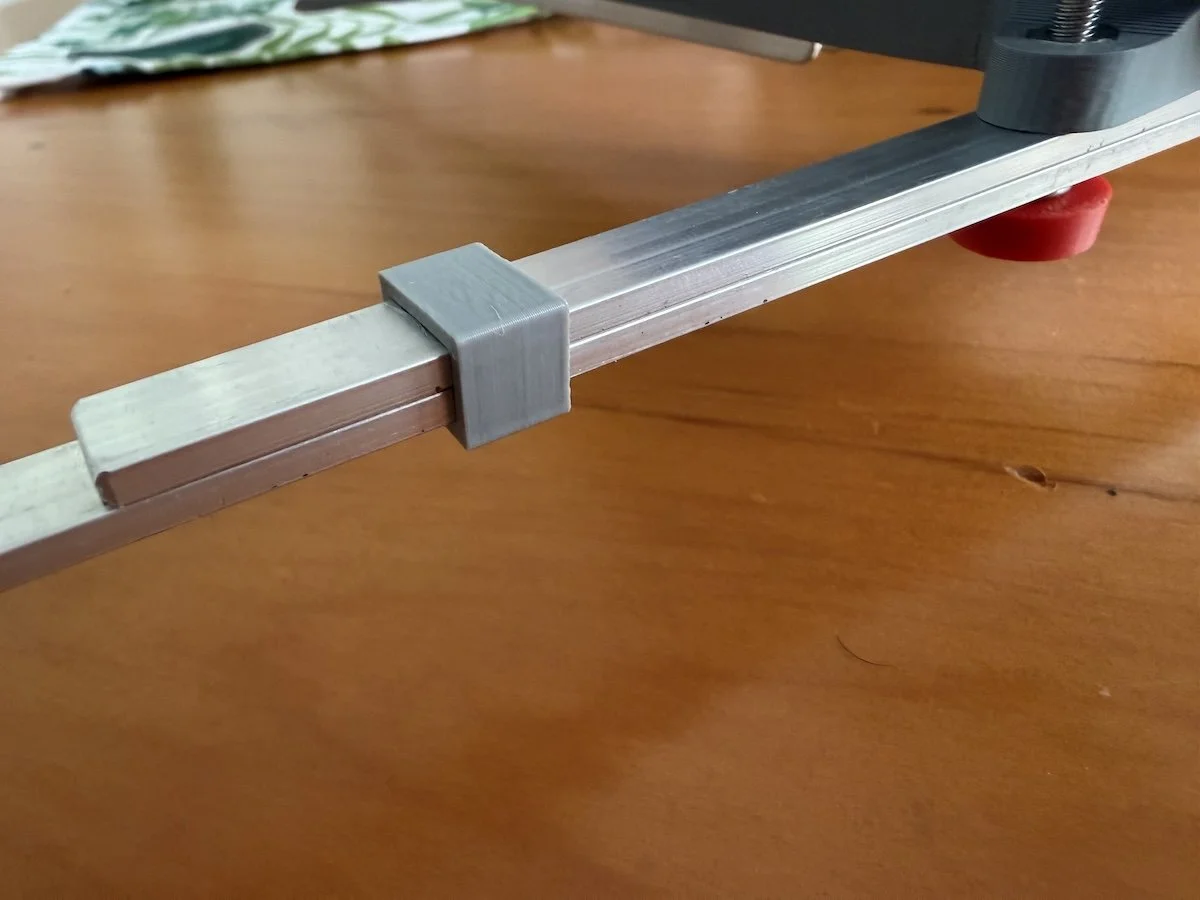
Gallery below showing some of the components. Captions on photos

Capsizing.
These lightweight land sailers have a tendency to tip over in gusts or when simply over powered. They do not behave like your average mono RC sailing boat.
If you have sailed a small catamaran like a hobie then you are in luck.
When you are up on 2 wheels, don’t try to go upwind or you’ll just tip over. Instead, ease the sails and bear away slightly. Try it, you’ll notice way less tip overs… we hope
Sailing
Keep the nose down to avoid going into irons. If you lose momentum and end up head to wind you may not recover without assistance. In other words, don’t pinch and try to take short cuts: it rarely works out well.
Change rigs and weights to suit the winds. A heavy boat won’t do well in light winds, so it’s a balancing act to get the best solution for the conditions. Hence the different rigs and the removable weights.